Summer Is Fun. Your Skin Might Not Agree.
Summer means pool days, vacations, lake weekends, backyard barbecues, and plenty of sunshine. While your memories may last forever, your skin often brings home a few unwanted souvenirs.
If your complexion feels rough, dull, congested, or dehydrated by the end of summer, you’re not imagining it.
Heat, humidity, sweat, sunscreen, UV exposure, and environmental pollutants all place extra stress on your skin. The good news? With the right skincare routine and professional treatments, you can restore your skin’s healthy glow before long-term damage sets in.
What Happens to Your Skin During the Summer?
Even if you’re diligent about wearing sunscreen, summer creates unique challenges for your skin.
Heat Increases Oil Production
As temperatures rise, your skin naturally produces more oil to help cool and protect itself.
Extra oil isn’t always a bad thing—but when it’s combined with sunscreen, sweat, and dead skin cells, it can clog pores and leave your skin feeling congested.
You may notice:
- Enlarged pores
- More blackheads
- Breakouts
- An uneven skin texture
Sweat Doesn’t Clean Your Skin
Many people assume sweating helps “detox” the skin.
In reality, sweat mixes with bacteria, sunscreen, makeup, and oil sitting on the surface of your skin. If it isn’t cleansed away properly, it can contribute to irritation and congestion.
After workouts or spending time outdoors, cleansing your skin becomes even more important.
Sunscreen Can Build Up
We encourage sunscreen every single day.
It’s one of the best investments you can make for healthy aging and skin cancer prevention.
But sunscreen is designed to stay on your skin—which means it can also build up over time.
Without proper cleansing and gentle exfoliation, leftover sunscreen can leave your complexion looking dull and prevent your skincare products from absorbing as effectively.
Sun Exposure Dehydrates the Skin
Many people associate summer with oily skin.
Surprisingly, dehydration is often the bigger issue.
UV exposure weakens your skin’s natural moisture barrier, allowing water to escape more easily. As a result, your skin may feel:
- Tight
- Dry
- Rough
- Less plump
- Less radiant
Even oily skin can become dehydrated.
Why Does My Skin Look Dull?
One of the most common questions we hear this time of year is:
“Why doesn’t my skin look as healthy as it did a few months ago?”
Usually, it’s a combination of factors.
Dead skin cells begin to accumulate on the surface.
Hydration decreases.
Sun exposure slows your skin’s natural renewal process.
Environmental debris builds up.
The result is skin that appears tired instead of refreshed.
How to Restore Your Skin After Summer
Fortunately, healthy skin is incredibly resilient when it’s given the right support.
Start With Gentle Exfoliation
Removing dead skin cells helps reveal brighter, smoother skin underneath while allowing your skincare products to work more effectively.
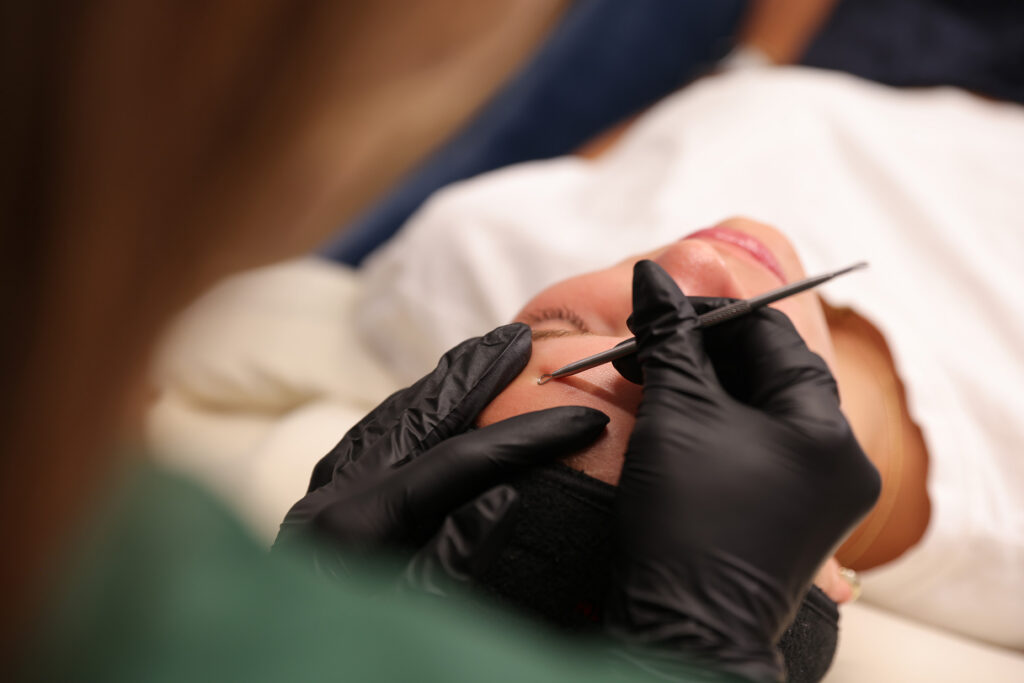
Professional exfoliation is often more consistent and effective than overusing harsh scrubs at home.
Rebuild Hydration
Hydration isn’t just about drinking more water.
Your skin also needs ingredients that attract and retain moisture while strengthening the skin barrier.
Professional treatments paired with medical-grade skincare can dramatically improve hydration levels.
Support Skin Barrier Health
Healthy skin starts with a healthy barrier.
Using gentle cleansers, quality moisturizers, antioxidants like Vitamin C, hyaluronic acid, and daily sunscreen helps protect your skin from future damage while supporting recovery.